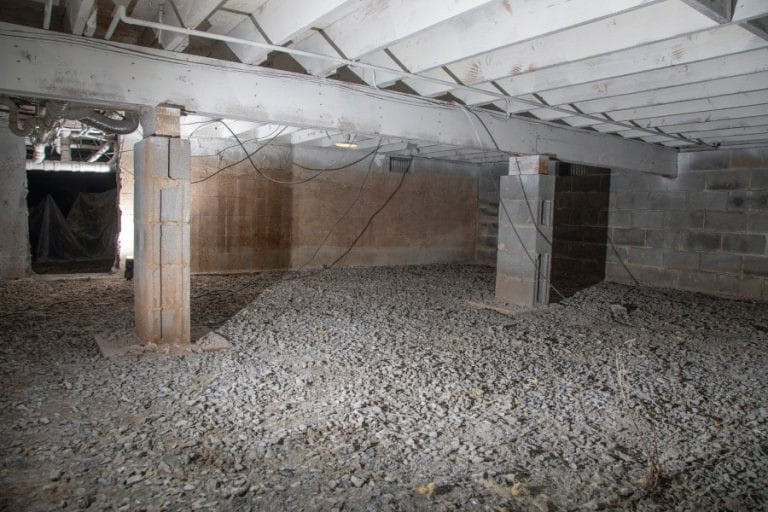
As spring rains start to pour, you might be concerned about crawlspace flooding. It’s an issue that can cause significant damage to your home if not properly addressed. You’ve probably heard about various prevention tips, like ensuring your yard slopes away from your foundation or installing a sump pump. But, have you ever wondered why these measures are effective or how to implement them correctly? Stick around, as we’re about to break down these prevention tips and give you a thorough understanding of how to safeguard your home.
Key Takeaways
- Ensure proper drainage systems are in place to prevent crawlspace flooding during heavy spring rains.
- Use effective landscaping techniques such as rain gardens and deep-rooted plants to manage excess water.
- Protect your crawlspace by sealing cracks and installing a vapor barrier to block moisture from seeping in.
- Install a sump pump in your crawlspace to manage any excess water during heavy rainfall.
- Regularly inspect your crawlspace and the exterior of your property for signs of moisture or water pooling, addressing issues promptly.
Understanding Crawlspace Flooding
 Your home’s crawlspace is often overlooked until a problem arises. However, crawlspace flooding is a common issue that can cause significant damage if not addressed promptly.
It’s not just about water pooling in an out-of-sight, out-of-mind area. It’s about the potential havoc it can wreak on your home’s structural integrity, air quality, and even your wallet.
Understanding the causes of crawlspace flooding is your first step to prevention. Heavy rain is often a culprit, but it’s not the only one. Poor landscaping can direct water towards your home, instead of away from it. This can lead to an oversaturated ground around your home, pushing water into your crawlspace.
Next, consider your home’s construction. If it’s older, it may not have been built with modern water management systems.
Or perhaps the space wasn’t properly sealed during construction. Over time, cracks, gaps, or other flaws in the foundation can allow water to seep in.
Importance of Proper Drainage
One of the most effective ways to prevent crawlspace flooding is to guarantee proper drainage around your home. Having a good drainage system is your first line of defense against unwanted water in your crawlspace. It’s not just about preventing water damage; it’s about maintaining the structural integrity of your home.
Imagine a scenario where water constantly pools around your home’s foundation. Over time, this water can seep into your crawlspace, creating a damp and humid environment. This isn’t just inconvenient, it’s a potential health hazard. Damp spaces are breeding grounds for mold, mildew, and bacteria which can lead to poor indoor air quality.
Your drainage system should make certain that water is directed away from your home, not towards it. Gutters and downspouts play a critical role here. They collect rainwater from your roof and channel it away from your home’s foundation. Make certain they’re clean and working correctly.
Additionally, the slope of your land should also guide water away. If it doesn’t, you might need to take into account landscaping adjustments. But that’s a topic for another day.
For now, remember the importance of proper drainage. It’s not just about keeping your crawlspace dry, it’s about keeping your home safe and healthy.
Effective Landscaping Techniques
A handful of strategically planned landscaping techniques can work wonders in preventing crawlspace flooding. When you’re thinking about landscaping, don’t just consider aesthetics. You need to look at it from a functional perspective, too.
Firstly, consider the slope of your yard. It should always slope away from your home, not towards it. This simple measure guarantees that rainwater naturally flows away from your home’s foundation, reducing the risk of water seeping into your crawlspace.
Secondly, think about the plants you’re using. Deep-rooted plants can help absorb excess water, preventing it from reaching your crawlspace. However, be careful not to plant trees too close to the house as their roots could potentially damage your foundation.
Lastly, don’t forget about rain gardens. These are shallow, planted depressions that collect rainwater from your roof, driveway, or yard. They not only add to the beauty of your landscape but are also an effective way to prevent water buildup around your home.
Waterproofing Your Crawlspace
 While effective landscaping can considerably reduce the risk of crawlspace flooding, sometimes nature has other plans. That’s where waterproofing your crawlspace comes in. It’s an essential step in ensuring your home stays dry during the spring rains.
Start by sealing any cracks or openings in the walls of your crawlspace. You’d be surprised how even the smallest of cracks can let in a lot of water. You can use a waterproofing sealant for this job. It’s not only easy to apply but also forms a watertight barrier against moisture.
Next, consider installing a vapor barrier. This is a large plastic or foil sheet that covers the floor and walls of your crawlspace. It prevents moisture from the ground from seeping into your crawlspace.
Lastly, think about getting a sump pump. During heavy rains, it collects excess water and pumps it away from your home. It’s a smart investment that can save you from potential water damage and hefty repair costs.
Regular Maintenance and Inspection
Don’t let your guard down once you’ve waterproofed your crawlspace. It’s not a one-and-done deal. Regular maintenance and inspection are essential to keeping that space dry and flood-free, even during heavy spring rains.
Make it a habit to check your crawlspace every few months. You’re looking for signs of moisture, like damp spots, mold, or mildew. Pay attention to the smell. A musty odor is a clear sign of moisture problems.
Don’t forget to inspect your sump pump regularly. Make sure it’s working correctly. If it’s not, you’ll soon have a flooding problem on your hands.
Examine the exterior of your property too. Look for places where water might pool and make its way into your crawlspace. That could be low spots in your yard, downspouts that drain too close to your foundation, or cracks in the foundation itself.
You can’t afford to be complacent when it comes to crawlspace maintenance. Stay vigilant, keep up with your inspections, and address any issues promptly. It’s the best way to keep your home safe and dry, no matter what Mother Nature throws at you.
Don’t let spring rains ruin your crawlspace. Make sure your yard slopes away from your home, and keep your gutters and downspouts clean. Consider a sump pump for extra protection. Seal any cracks in your crawlspace walls and install a vapor barrier to keep moisture out. Regular checks can catch issues early, saving you time and money in the long run. Don’t wait until it’s too late – start protecting your crawlspace today.